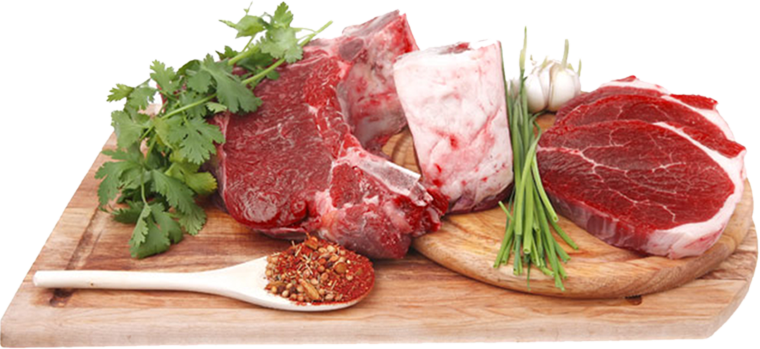
As of 2025, Queensland’s meat market has experienced notable shifts influenced by various factors, including weather events, consumer preferences, and economic conditions.
Cattle Prices and Market Dynamics
Recent heavy rainfall across northern and central Queensland has significantly impacted cattle market activities. For instance, Charters Towers experienced a temporary halt in sales due to the weather, and live export trades were postponed, with slaughter cattle prices around $3.50/kg live weight (lw). Feeder steers remained steady at approximately $3.40/kg lw, with Brahman steers fetching between $3.60 to $3.65/kg lw in Townsville to meet specific shipment demands.
Saleyard indicators for Queensland during this period were as follows:
- Heavy Steer: 338¢/kg lw
- Processor Cow: 282¢/kg lw
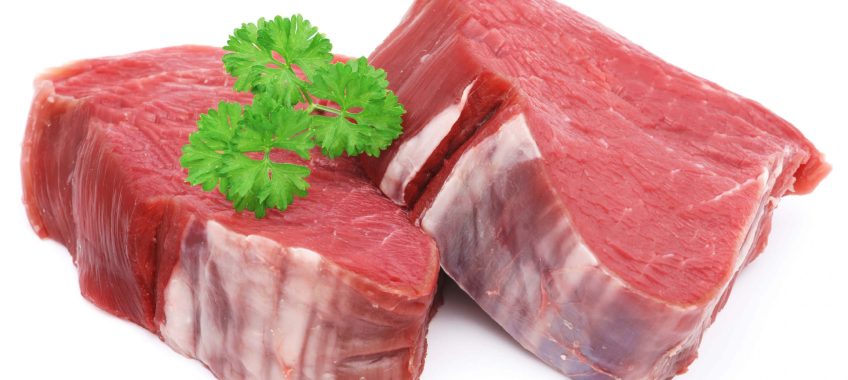
When it comes to meat, freshness is everything. The quality of fresh meat doesn’t just impact its taste and texture, but also its nutritional value and cooking performance.
What Makes Fresh Meat High-Quality?
1️⃣ Bright, Natural Color – Fresh beef should be a deep red, lamb a vibrant pink, and poultry a pale, creamy white. Dull or grayish meat can indicate oxidation or aging.
2️⃣ Firm Texture – Quality meat should be firm and springy to the touch, not overly soft or mushy.
3️⃣ Minimal Moisture – Excess liquid in packaging can be a sign of older meat or improper storage.
4️⃣ Mild, Natural Smell – Fresh meat has a clean, meaty aroma. A Read More
What’s Ahead for Australia’s Livestock & Seafood Industry
As the 2025 season begins, optimism is building across Australia’s livestock and seafood sectors. With renewed focus on sustainability, shifting market demands, and evolving weather patterns, producers across the board—from cattle and sheep farmers to fishers and fresh produce growers—are preparing for a dynamic year ahead.
Cattle Industry: Rebuilding and Refocusing 🐄
Following a few challenging years marked by drought and restocking efforts, the cattle industry is entering 2025 with cautious optimism.
Many producers are now rebuilding herd numbers, thanks to improved pasture growth in key regions and more stable rainfall in late 2024.
Key trends to watch:
-
Steady demand for Read More